

Medical Devices
Class I
Low risk tools:
- Band-Aids
- Scales
- Gauze
- Surgical Tape
- Wheel-chairs
- Dental Floss
Class II
Medium risk tools like EndoShunt
510 (k) Predicate Path
There is a precedent for a device working in a similar way
Path Entails
- Shorter Regulatory path
- Clinical trials often not required
- Clearly laid out path to market
- 4-6 years from concept to market
De Novo Path
This device incorporates a mechanism or material that the FDA has never seen before
Path Entails
- Work with the FDA to develop a set of testing requirements
- Clinical data required
- 4-8 years from concept to market
Class III
High risk tools and implantable devices:
- Breast implants.
- Pacemakers.
- Defibrillators
- High-frequency ventilators.
- Cochlear implants.
- Implanted prosthetics
EndoShunt Precedent
Relevant FDA Regulation
Applicable FDA regulation
21 CFR Sec. 870.4450 “ vascular clamp as a surgical instrument used to temporarily occlude a blood vessel”
Product Code: “MJN” product code refers to a device categorized as Catheter, Intravascular Occluding, Temporary, with a Class II classification
Percutaneous Catheters
Applicable FDA regulation: 21 CFR Sec. 870.1250 “percutaneous catheter as a device introduced into a vein or artery through the skin using a dilator and sheath or guide wire”
Product Code: “DQY” product code pertains to a device known as Catheter, Percutaneous, also classified as Class II
Predicate Device
PREBOA-PRO Catheter (K200459)
“The device achieves partial occlusion, reducing risk of ischemia related injury; however, it does not fully control the hemorrhage.”
– HPA regulatory Option.
Regulation Number: 21 CFR 870.1250 Regulation Name: Percutaneous Catheter
Regulatory Class: Class II
Product Code: DQY, DQO
Dated: September 22, 2015
Path To 510 (k) Clearance
FDA pre-submission meeting
Goal: Confirm required testing and regulatory path
Pre-Clinical Testing
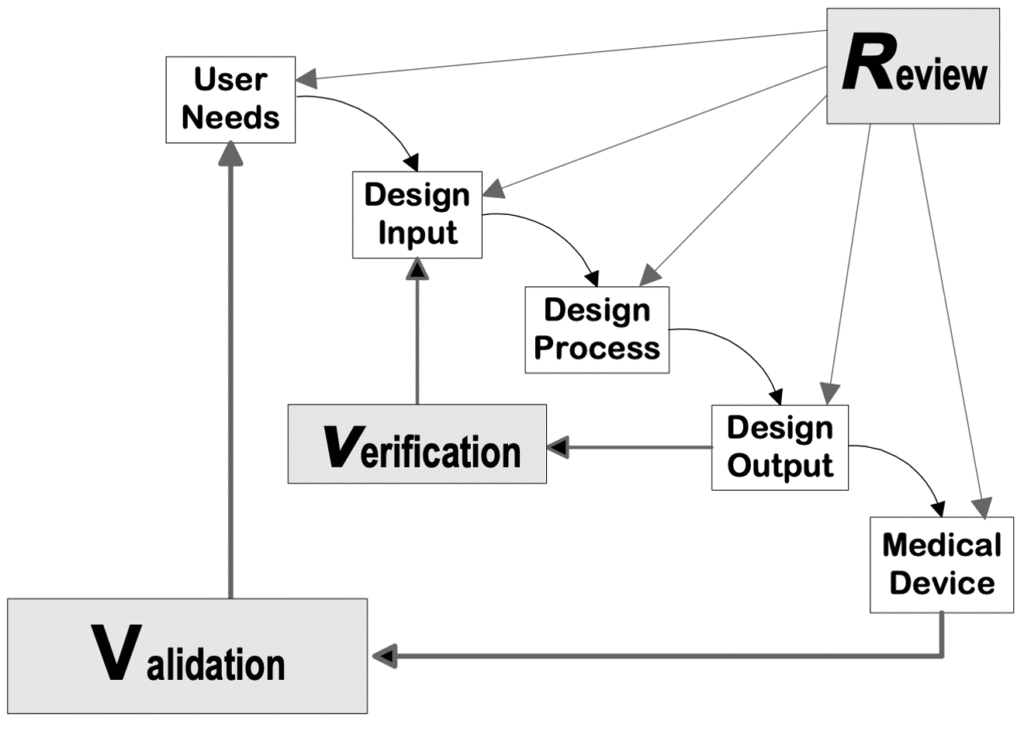
Goal: Validate EndoShunt meets material and mechanism safety standards and confirm design verify are met.
- Lumen Break Testing
- Lumen Expansion/Retraction Testing
- Simulated Use Testing in accordance with ISO 14971:2019.
- Lumen Diameter to Inflation Volume Testing
- Torque Testing
- Kink Diameter Testing
- Fatigue Testing
- Freedom From Leakage Testing
- Tensile Strength Testing
- Dimensional Testing
- Shelf-Life Validation
- Human Factors/Usability Testing
- Sterilization Validation: In accordance with ISO 11135:2014 – Sterilization of health-care products- Ethylene oxide Requirements for the development, validation, and routing control of a sterilization process for medical devices.
- EO/ ECH residuals evaluation in accordance with ISO10993-7:2008 Biological evaluation of medical devices Part 7: Ethylene oxide sterilization residuals
- Stability Testing (accelerated aging followed by seal integrity and seal strength testing)
- Packaging Testing (sealing process): Demonstrate that the proposed terminally sterilized packaging system allows sterilization, provides physical protection, maintains sterility up to the point of use and allows aseptic presentation. In accordance with ISO 11607-1 Packaging for Terminally Sterilized Medical Devices.
- Biocompatibility Testing: The patient-contacting (direct/indirect fluid path) components of the Endoshunt device should fulfill the requirements as set forth in ISO 10993: Biological evaluation of medical devices Part 1: Guidance on selection of tests for and External Communicating Device, Circulating Blood, A- Limited (<24 hr) duration.
- Cytotoxicity, Sensitization, Irritation/Intracutaneous Reactivity, Acute Systemic Toxicity, Hemocompatibility, and Material-Mediated Pyrogenicity.
User Needs In-Vivo Testing
Goal: Verify EndoShunt meets user needs
The in vivo test below would be performed to demonstrate that the Endoshunt device meets applicable design and performance requirements and is therefore substantially equivalent to the predicate device:
Performance evaluation of the Endoshunt device in the aorta of an acute Porcine model.
FDA 510 (k) submission
Goal: Demonstrate safety and efficacy to FDA
Graphic of FDA product development path
our values
Discover What Drives Us: The EndoShunt Values

Proactive
Taking ownership of what must get done.

Caring
A holistic perspective in improving outcomes.

Agile
Quick teamwork facing new challenges and opportunities.